Orders are coming in, warehouses are full – but the workforce is missing. Temporary labor is becoming more expensive and less reliable, experienced forklift operators are retiring, and night shifts in cold storage facilities are increasingly difficult to staff. In this environment, warehouse automation is no longer a matter of prestige – it is essential to maintaining reliable order fulfillment. Together, we identify where automation can deliver the greatest impact on your operations.
Key Benefits at a Glance:
Automation Doesn’t Replace People – It Reduces Their Workload
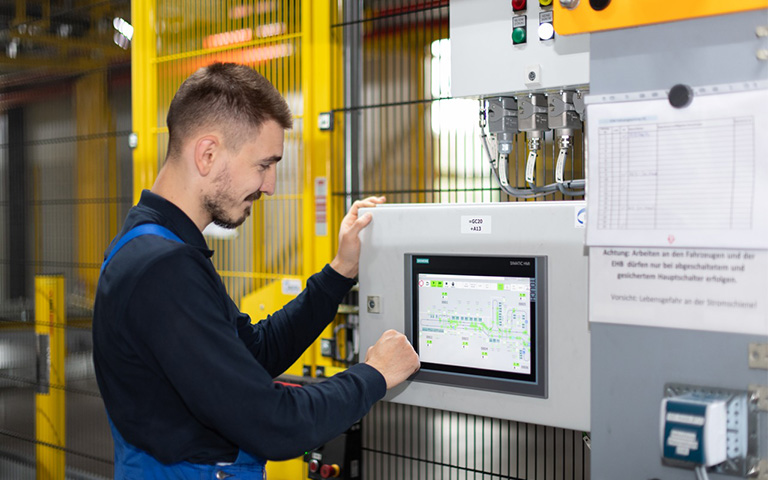
We take concerns about automation eliminating jobs seriously. In practice, however, our experience shows a different picture. Automation primarily targets tasks that are already difficult to staff: repetitive heavy lifting, long-distance forklift movements, and order picking in sub-zero temperatures. The employees performing these tasks today will be needed in operational control, quality assurance, and maintenance tomorrow. Automation shifts human resources toward activities where their expertise and judgment remain indispensable.
Where Warehouse Automation Makes a Real Difference
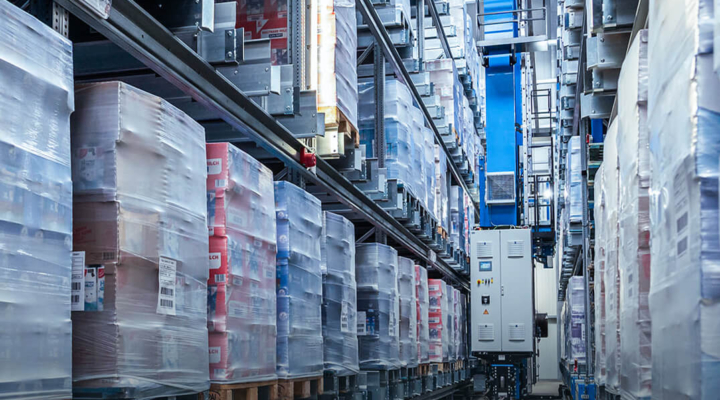
- Storage and Buffering: An automated high-bay warehouse or high-density storage system ensures inventory availability without requiring employees to drive through warehouse aisles during each shift.
- Material Transport: Automated guided vehicles (AGVs) handle production supply, replenishment, and material movements in block storage areas – around the clock.
- Order Picking and Palletizing: Case picking and mixed-case palletizing are among the most physically demanding and difficult-to-staff warehouse operations – making them areas with particularly high automation potential.
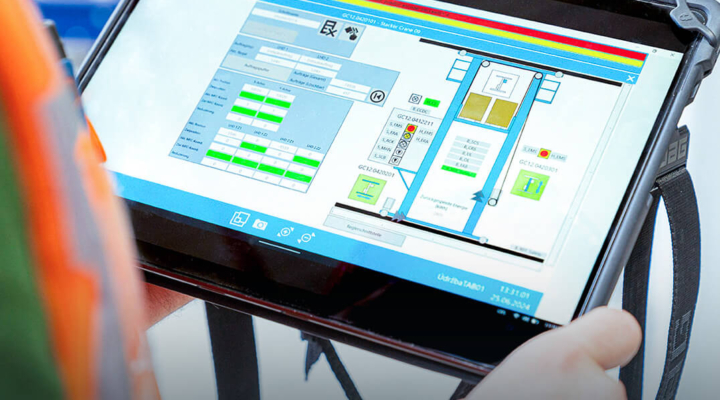
- Warehouse Management and Control: A Warehouse Management System (WMS) or SAP Extended Warehouse Management (SAP EWM) ensures that automated equipment not only operates efficiently but also executes the right processes and material flow decisions.
Our Approach
We don’t start with an off-the-shelf solution – we start by asking the right questions. Before discussing technology, we analyze your current operations, including item master data, material flow data, peak throughput requirements, and existing bottlenecks. Based on these findings, we work with you to develop tailored automation concepts. As an independent, vendor-neutral planning partner, we recommend the technologies that best fit your operational requirements – not simply those available in a particular product portfolio. The result is an indicative project budget supported by a transparent return on investment (ROI) analysis. And our commitment doesn’t end there: you benefit from a single point of contact throughout the entire project lifecycle, from planning and implementation to ongoing service and support.
Cost-Effectiveness & Operational Benefits
- Predictable operational performance – independent of labor market conditions.
- Continuous operations – including nights and weekends.
- Reduced physical strain – helping to lower absenteeism and employee turnover.
- Reliable order fulfillment – even when competitors face workforce capacity constraints.
FAQ
Warehouse automation becomes economically viable when repetitive, labor-intensive processes start limiting operational capacity – for example, in high-throughput facilities, multi-shift operations, or hard-to-staff environments such as frozen goods order picking. Together, we determine the break-even point by analyzing your material flow data and conducting a detailed ROI assessment.
Generally, no. Automation primarily targets tasks that are already difficult to staff. Existing employees transition into more skilled, less physically demanding roles in operational control, quality assurance, and technical operations.
No. As a vendor-independent system integrator, we combine the components best suited to your specific requirements. We retain responsibility for process control and operational safety. What matters is your operational process – not a particular equipment manufacturer.
Next Step
Analyze Your Order Picking Operations or Schedule an Initial Consultation
Further Information